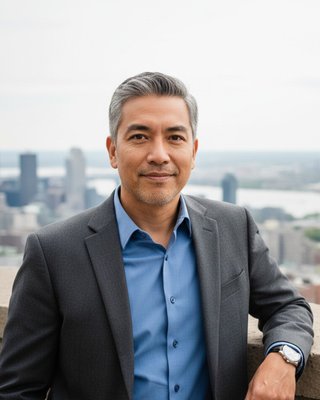
Riley Ortiz - Dubai
Riley Ortiz’s Professional Overview in Dubai
When Miami‑born community blogger Riley Ortiz decided to relocate her base of operations to the United Arab Emirates, she carried with her a reputation built on participatory journalism and grassroots advocacy. In Dubai, her work pivots from the coastal streets of South Beach to the high‑rise corridors of Al Barsha, yet the core mission remains unchanged: amplifying under‑represented voices while navigating the city’s unique regulatory fabric. Riley maintains a bilingual digital presence, publishing in English and Spanish, and leverages the UAE’s vibrant expatriate network to broaden the reach of her stories. Her portfolio now includes collaborations with municipal outreach programs, private‑sector CSR initiatives, and regional nonprofit coalitions focused on climate resilience and public health.
Regulatory Landscape for Community Blogging in the UAE
Dubai’s media environment is governed by the National Media Council (NMC) and the Telecommunications and Digital Government Regulatory Authority (TDRA). Unlike the United States, where the First Amendment offers broad protections, the UAE imposes a licensing regime that requires content creators to register with the NMC and adhere to the “Cybercrime Law” (Federal Decree‑Law No. 5 of 2012). For Riley Ortiz, compliance means submitting quarterly reports that demonstrate alignment with public order, moral standards, and national security. The city’s courts, primarily the Dubai Courts, have adjudicated cases involving unregistered digital platforms, emphasizing the importance of an official media license for any persistent audience. By securing a “Professional Media License,” Riley can legally host interviews, livestream community forums, and publish investigative pieces without risking censorship or fines.
Typical Clients and Stakeholder Engagement
Riley’s client roster in Dubai reflects a mix of public, private, and civil‑society actors. Municipalities such as the Dubai Municipality hire her to produce neighborhood newsletters that spotlight sustainability projects in Jumeirah Lake Towers and community health initiatives in Al Quoz. In the private sector, real‑estate developers engage Riley to craft narrative‑driven marketing collateral that respects cultural sensitivities while showcasing new mixed‑use districts like Dubai South. Non‑governmental organizations - particularly those focused on migrant worker welfare - rely on her ability to translate complex policy updates into accessible stories for a multilingual audience. Across all engagements, Riley follows a strict ethical protocol: obtaining written consent, anonymizing vulnerable sources, and cross‑checking facts with official Dubai government portals.
Neighborhoods and Physical Workspace in Dubai
While many expatriates favor the glamour of Downtown Dubai, Riley finds her most productive environment in the emerging creative hub of Al Barsha South. The area offers co‑working spaces such as the “Dubai Creative Cluster,” where high‑speed internet, conference rooms, and on‑site legal counsel are readily available. Proximity to the Al Barsha Metro Station reduces commute time and provides easy access to other key districts, including Business Bay and the historic Al Fahidi neighborhood. Riley also maintains a satellite office in the Al Quoz industrial zone, a locale that houses several media production houses and permits quick setup of field equipment for on‑site reporting. These locations grant her both the flexibility to cover a breadth of topics - from waterfront urban planning to inland community health campaigns - and the legal certainty afforded by registered business addresses.
Practical Local Notes and Future Outlook
For anyone considering a similar transition, Riley recommends three practical steps: first, secure a UAE residency visa linked to a sponsor that supports professional media activity; second, obtain the NMC media license before launching any public‑facing platform; and third, familiarize yourself with the UAE’s data‑protection framework, which emphasizes resident consent and limits on cross‑border data transfers. Looking ahead, Riley anticipates expanding her coverage to include the upcoming Dubai Expo 2030 legacy projects, and she plans to host a quarterly “Community Voices” round‑table that gathers residents from Deira, Bur Dubai, and the newer Creek Harbour area. Her evolving presence underscores how a Miami‑style community blog can thrive under Dubai’s distinct legal and cultural parameters. In short, the “Riley Ortiz Dubai” narrative is a testament to adaptability, regulatory diligence, and the power of localized storytelling.